
Emotional learning begins at a very young age, as children discover a wide range of emotions, and evolves as they grow. This topic aims to provide a better understanding of the key stages of emotional development, its impacts, interrelated skills, and the factors that influence emotional competence.
Synthesis PDF Complete topic PDFInformation sheets
Download the free PDF version here or purchase hardcopy prints from our online store.
Emotions
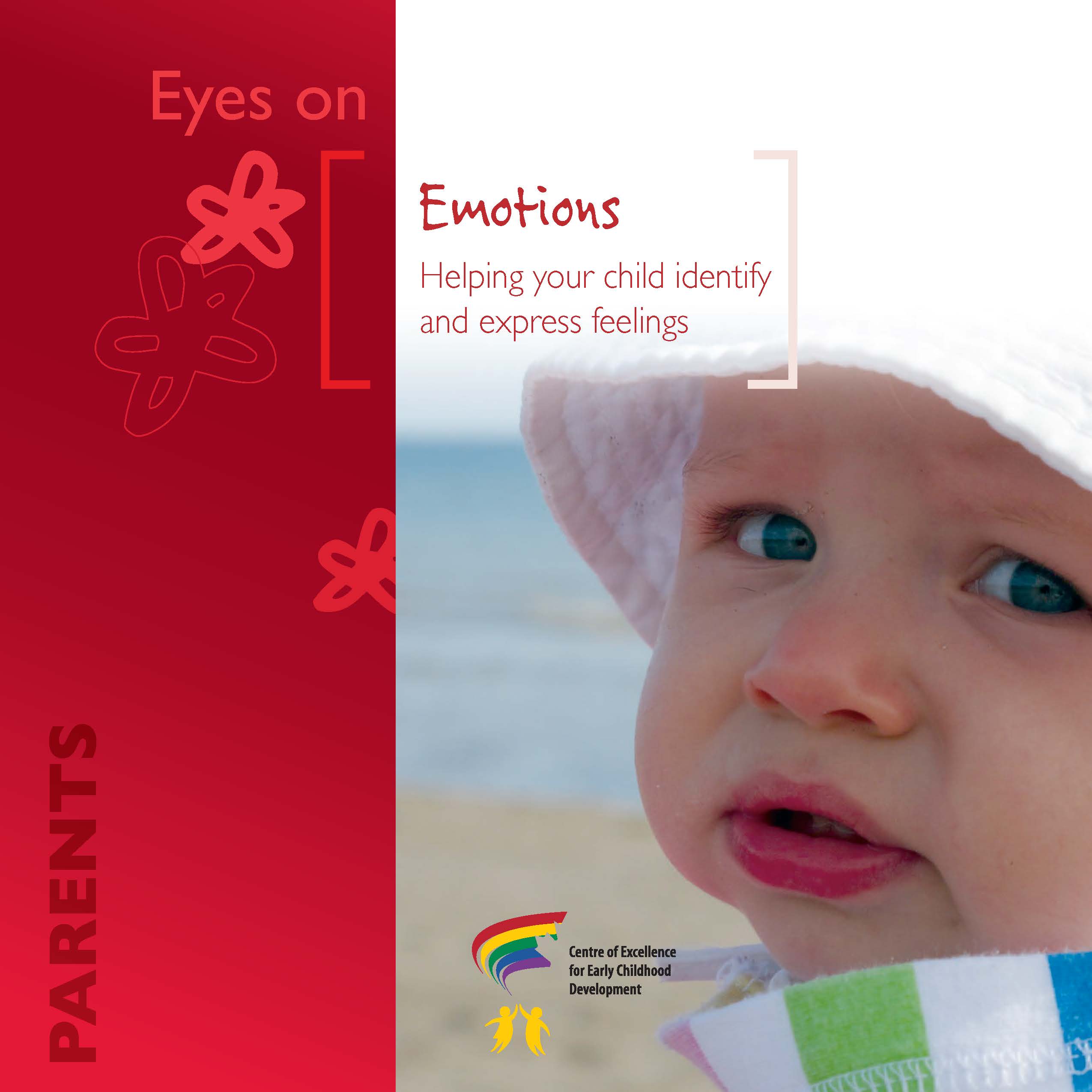
Emotions: helping your child identify and express feelings
Synthesis
Topic Editor:
Topic funded by:

How important is it?
Emotional competence (EC) is a developmental process that comprises three interrelated competencies: 1) emotion expression; 2) emotion knowledge; and 3) emotion regulation (i.e., being aware of one’s emotions and modifying them when necessary). At a young age, children already display a range of emotions in social situations through non-verbal messages (e.g., giving a hug, sulking). Then, advances in cognitive development allow children to identify their own and others’ emotions, and the circumstances that lead to their expression. This emotional understanding, in turn, allows children to monitor and to modify their emotions in order to cope with difficult situations.
Emotional development in infancy and early childhood is important for several interrelated skills. In comparison to children with deficits in emotional development, children with a developed EC are more likely: 1) to sustain learning; 2) to engage in empathic and prosocial behaviours; 3) to express appropriate emotions in various contexts; 4) to use adaptive strategies to deal with negative/upsetting emotions (e.g., anger); and 5) to reduce several risk factors associated with psychopathology. Taken together, these abilities predict children’s early school success and positive interpersonal relationships with peers and family members.
What do we know?
Emotions do not all emerge at the same time. Primary emotions (e.g., fear, anger, sadness, interest, and joy) appear in the first year. Secondary emotions (e.g., embarrassment, guilt, and shame) are usually expressed by the end of the second year of life. Children’s mental representation about the “self” is acquired around the age of two, and the standards, rules, and goals (SRGs) conveyed by their entourage set the stage for self-conscious emotions, such as embarrassment.
Development of emotional competence depends on the child’s temperament and social-emotional experiences, such as caregiver responses and socialization. The culture in which children grow up will also influence the intensity and the type of emotions expressed, depending on different cultural models of socialization, family practices, and values. The occurrence, expression and social regulation of emotions can therefore differ substantially between cultures. For example, in some non-Western cultures, emotional neutrality is the social norm.
Along with environmental factors, temperament and cognitive development, emotional competence is also influenced by the child’s approach/withdrawal behaviours. Approach refers to behaviours and facial expressions that move a child towards stimuli. Withdrawal refers to behaviours that move a child away from stimuli. Approach emotions (i.e., interest, smiling, joy, and anger) are related to positive aspects of behaviours, such as sustained efforts when minor difficulties are encountered, and they predict emotional competence in children. In contrast, the expression of withdrawal emotions (i.e., sadness and fear) in face of negative events is associated with behavioural difficulties, poor emotion regulation, and helplessness. Withdrawal behaviours are also a risk factor for childhood depression.
Emotions play an important role in the onset of psychopathologies in childhood. Developmental challenges and early adverse experiences can affect the way in which a child’s autonomic nervous system regulates emotional responses and behaviours. Children with a history of negative social experiences, such as maltreatment or insecurity attachment, have a tendency to be hyper vigilant for signs of threats. Accordingly, they display anxiety, aggressive and fear behaviours as a mean of self-protection. Their negative affectivity, poor emotion regulation, and imbalances within their emotional systems predict both internalizing and externalizing disorders (e.g., depression and aggression, respectively).
What can be done?
In order to promote emotional competence in children, parents are encouraged to model various emotional expressions. Given that the emotions displayed at home largely influence those expressed by children with their peers and in the larger school setting, positive parent-child interactions are valued. Specifically, parents are encouraged to engage in positive parenting practices and to play a supportive role when children encounter challenges. Early interventions aimed at improving emotional control and the goodness-of-fit between the parent’s and child’s emotional state are strongly encouraged. Examples of such programs include Parent-Child Interaction therapy and the Incredible Years program. For chronically defensive behaviours that result from early adverse experiences, therapeutic interventions that employ the calming influences of cues of safety may be a promising management tool.
There are emerging findings that teachers’ modeling, reactions and teaching can contribute to children developing emotional competence. Policies should therefore encourage teacher awareness and training in EC-related programs, such as preschool PATHS, to be able to foster children’s emotional understanding. Not only will children benefit from these skills across social and learning contexts, but teachers will likely enjoy more harmonious classroom environments.
Discover more
 Video
Video
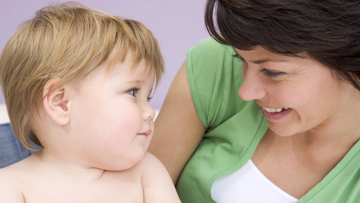
Children learn to be happy
The foundation of children’s emotional development relies in their relationship with their parents. Based on the care and nurturing they receive through positive interactions with adults, children will learn to:
express with words their feelings
understand the emotions of others
control negative emotions when faced with difficult situations
deal with fear when faced with the unknown
calm down when in distress
control anger and learn from mistakes when faced with failure.
By being comforted and supported when dealing with emotions and through a strong child-parent bond, children will gain confidence and be better able to communicate their needs and understand those of others.
Publications

The pleasure of disobeying
Despite of warnings, threats and consequences, babies will often continue to do what they are told not to.
Parents should know that before the age of 2, children are motivated by pleasure and that defiant behaviours are probably not for them a way to test the limits or challenge their parent’s authority.
Fortunately, as the baby’s brain develops, he will understand more clearly parent’s emotions and will want to please them and meet their needs. Over time, he will also be able to anticipate parents’ disapproval and adjust to what they ask.
In the mean time, instead of getting angry at your baby, expressing your disapproval and removing him —or the conflicting object— from the situation is certainly your best bet for immediate result.
Publications
Emotional Intelligence in the First Five Years of Life
Infants’ Social Cognitive Knowledge
The Relation between Executive Functioning and Social Cognition
 Video
Video
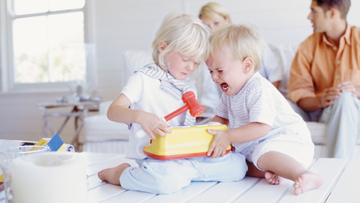
Can anger be beneficial?
Emotions act as an important motor in the development of young children.
Anger is one of the primary emotions (with fear, joy, sadness and interest) and plays an active role in learning.
Anger in young children (not to be confused with temper tantrums) facilitates action towards reaching a goal and can be linked to a positive human quality: persistence.
Anger predicts emotional competence in older children and is related to sustained efforts when faced with minor difficulties.
Publications

Resources and bulletins
The Encyclopedia also recommends...
MyBaby is a free online resource about positive parenting | Red River College Polytechnic
Healthy Baby, Healthy Brain -- Love Builds Brains (Helping your child cope)
Best Start by Health Nexus