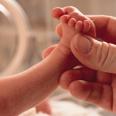
Generally, stress during pregnancy has been associated with an increased risk for a number of negative outcomes in children. This topic aims to provide greater understanding of the potential effects of maternal stress on the mother, the fetus, and the child’s development.
Synthesis PDF Complete topic PDFSynthesis
Topic Editor:
How important is it?
Stress is a complex term that encompasses a large number of states such as mild stress, distress, anxiety and depression that can be experienced as a result of a range of phenomena including daily hassles, dysfunctional relationships, and adversity.
There is a consistent belief across cultures that maternal stress can have a negative effect on the development of the fetus, baby, and child. This is particularly important given the high levels of daily stress reported by women of childbearing age. For instance, of Canadian women between the ages of 20 and 34 in 2010, 25.4% sustain intense daily stress, compared with 20.5% for their male counterparts.1 It is no surprise that programs focused on stress and coping programs have been at the major front of international efforts to promote mental health across countries.2
Working during pregnancy may have an impact on the level of stress (self-perceived or objectively assessed). The risk or premature birth labour is 70% higher among pregnant women who work in a stressful or noisy environment than other women.3 In 2008, the international rate of maternal employment for women between the ages of 25 and 49 was approximately 61%, with the highest rates observed in Scandinavian and North-American countries, and once children reach school age.4
What do we know?
Maternal stress in humans
The core of the research on the connection between maternal stress and child development focuses on the lasting effect of prenatal exposure to stress. Although the placenta serves as a barrier to protect the baby against harmful substances, some hormones such as cortisol released in times of stress, can cross the placenta and alter the intrauterine environment. A few studies have detected small associations between prenatal stress and low birthweight and prematurity.
Generally, prenatal stress has been associated with a number of detrimental outcomes, including cognitive, language, behavioural, emotional, and neurodevelopmental problems. For instance, children whose mothers experienced high levels of anxiety during pregnancy are twice as likely as other children to experience difficulties of a behavioural or emotional nature persisting in early adolescence. However, the connection between the presence of elevated cortisol in the amniotic fluid and poorer cognitive development disappear when children experience sensitive and optimal parental care after birth.
The impact of stress also varies as a function of gestational period. Whereas the risk of developing schizophrenia later on in life is associated with acute stress during the first trimester, Attention deficit hyperactivity disorder (ADHD) is more common among children of expecting mothers who are exposed to stress during late pregnancy. The amount of stress experienced by the mother is also important because mild stress may be related to positive outcomes on children’s motor and cognitive development.
Babies of mothers from poor economic background are particularly at risk for the harmful effects of stress due to the frequency and uncontrollability of the stressors this population experiences. However, because stress is also associated with unhealthy behaviours such as smoking and alcohol consumption, it is often difficult to isolate the effects of stress itself and other negative events.
Given the potential risk that prenatal stress poses for child development, there is a pressing need to find ways of establishing the causal connections in humans so that successful and well-targeted interventions can follow. For instance, research should compare siblings exposed and not exposed to prenatal stress to tease apart the role of genes and parenting on the association between stress and postnatal development. The role of coping strategies in successfully reducing prenatal stress and later developmental problems is another encouraging avenue of research. Research designs should also include clinical trials (for both medications and behaviour therapies), biological and psychological measures of prenatal stress, and objective assessments of child development while ensuring adequate control of maternal stress after birth.
Animal research on maternal stress
The most conclusive evidence for establishing a causal link between prenatal stress and child development has been generated by studies on animals, primarily rodents (rats and mice) and non-human primates (monkeys and apes), in which prenatal stress can be experimentally manipulated.
Research with primates found that stress during pregnancy was related to slightly lower birth weight, as well as attentional, behavioural, and motor problems in the offspring. The negative effects of prenatal stress on birth weight and behaviour were strongest when paired with prenatal alcohol consumption. In addition, attentional and learning problems observed in the postnatal period tended to persist during adolescence. Although chronic stress in the second half of gestation was related to some of these deficits, stress overall was more detrimental in the early stages of pregnancy.
What can be done?
More research is clearly needed in this area. We need to know more about the relative contributions of prenatal stress, postnatal care and genetic vulnerabilities, and the underlying mechanisms. However there is enough evidence now that prenatal stress increases the risk for an adverse child outcome to make some recommendations. Programs targeting the reduction of anxiety, depression and stress in expectant mothers should be a cost-efficient method to improve problems such as low birth weight, prematurity and particularly neurodevelopmental problems. These programs might include policies regarding maternal employment and parental leave, but should not equally direct the activities and actions of all pregnant women because stress is a subjective experience that is not rigidly dictated by environmental events. All new intervention programs should be evaluated as to child outcome.
One of the first steps toward the elaboration of appropriate intervention and prevention programs is to identify groups of women who are particularly at risk for experiencing different forms of stressors at different periods during their pregnancy, and assess how these different groups differ in terms of child outcomes.Because parents themselves should have the opportunity to improve their understanding of their child’s development, they should be informed by service providers of the mechanisms by which maternal stress can affect the intrauterine environment and subsequent development. Health care providers and psychosocial workers should be trained to communicate this information to parents because it can also help reduce mothers’ worries about their own levels of stress. At the individual level, every expecting mother should have access to professional help tailored to her needs and circumstances.
References
- Statistics Canada. Mental health and well-being. Perceived life stress. Available at: http://www40.statcan.gc.ca/l01/cst01/health106b-eng.htm. Accessed October 17, 2011.
- World Health Organization. Mental health promotion: case studies from countries. Available at: http://www.who.int/mental_health/evidence/en/country_case_studies.pdf. Accessed October 17, 2011.
- Luke B, Mamelle N, Keith L, Munoz F, Minogue J, Papiernik E, Johnson TR. The association between occupational factors and preterm birth: A United States nurses' study. American Journal of Obstetrics and Gynecology 1995;173:849-862.
- Organization for Economic Co-operation and Development. Family database. Social policy division. Maternal employment rates. Available at: http://www.oecd.org/dataoecd/29/61/38752721.pdf. Accessed October 17, 2011.
Discover more

How does stress affect expecting and new mothers?
Stress can range from mild stress to distress, anxiety and depression. It can be caused by something as small as daily hassles, or as major as dysfunctional relationships and adversity.
Over one quarter of women of childbearing age report high levels of daily stress. This can become a health issue for pregnant women, as women who work in stressful or noisy environments are 70% more likely to go into early labour.
Modern life can be stressful and finding ways to help expecting and new mothers to manage their stress can improve their health – and ultimately that of their children.
Publications
The Effects of Prenatal Stress on Child Behavioural and Cognitive Outcomes Start at the Beginning
Prenatal/Perinatal Stress and Its Impact on Psychosocial Child Development

Resources and bulletins
The Encyclopedia also recommends...
What happens in the womb can last a lifetime